

A Conversation on Impermanence:
The Most Honest Ground to Stand On

“Everything is temporary, don’t stress.”
We have all heard some version of this. It’s offered as a comfort when we’re in the thick of it—a well-meaning whisper against the roar of our worries. But in the moment, it can feel dismissive. Easy for you to say, the mind replies, clinging to its pain or fear as if it were a precious, terrible heirloom.
What if, instead of a platitude, we met this idea not as a dismissal of our feelings, but as the most honest and solid ground upon which to have those feelings? Not to bypass the storm, but to sit within it, knowing with absolute certainty that its nature is to pass.
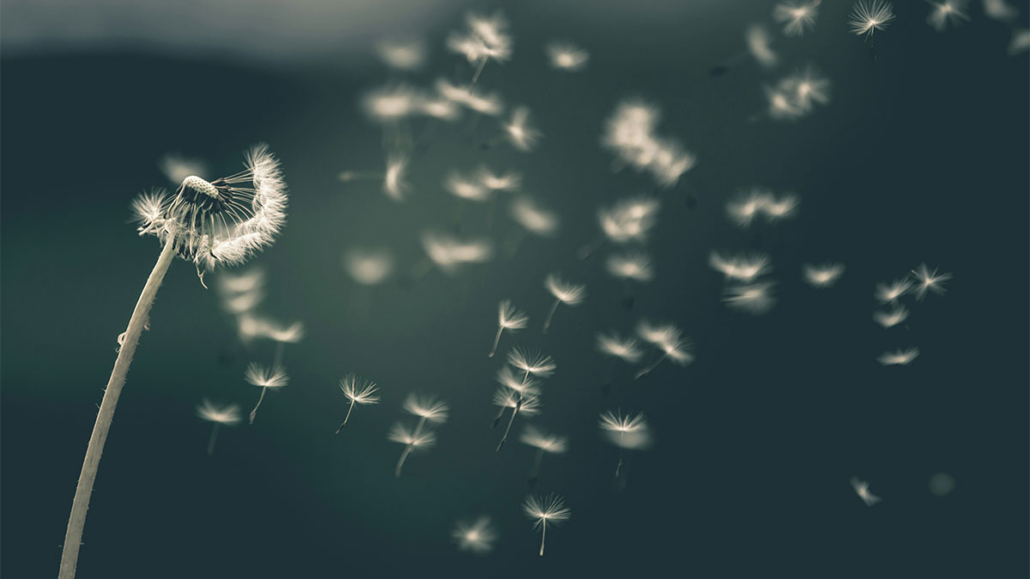
This is the profound, often unsettling, truth of impermanence (Anicca) that sits at the heart of Buddhist philosophy. It states simply: all compounded things are in a constant state of flux. Everything that arises, ceases. This is not just about the “big” things—life, death, relationships—but about the very fabric of our experience, our existance. The itch on your nose, the joy from a text message, the sharp edge of grief, the weight of a deadline. They are all guests, arriving and departing on a schedule we do not control.
Our stress, then, rarely comes from the temporary event itself, but from a deep, often unconscious, argument we are having with this fundamental law. We suffer when we demand permanence from an impermanent world.
We want the good moment to freeze. We want the hard moment to have never happened. We want the person to stay, the feeling to last, the certainty to hold. In that wanting, we tense up. We clutch. We build mental fortresses against the tide of change, exhausting ourselves in a battle we were never meant to fight.
But what happens when we stop arguing? When we truly absorb this truth not as a source of anxiety, but as a profound liberation?
It reframes the entire conversation.
If nothing is permanent, then:
- Our pain is not a life sentence. It is a season. This knowledge does not diminish its current reality, but it gently removes the terrifying “forever” from its description. Pain softens, not because it is ignored, but because it is allowed its natural lifespan.
- Our joy becomes a gift to be received, not a possession to be hoarded. Its fleeting nature is what makes it precious. We are invited to sip the wine, not cork the bottle forever.
- Our stuckness is an illusion. The feeling of being “trapped” in a circumstance or emotion is the mind’s trick of projecting the present moment infinitely forward. Impermanence is the quiet reminder: “Just wait. Watch. This too is moving.”
This understanding does not lead to passivity. It leads to a courageous, open-hearted engagement. When you know the storm will settle, you can focus on building a sturdy shelter for this moment, rather than railing against the sky. You can breathe through the anxiety, not as a way to escape it, but as a way to witness its rise and fall within you. You can stop clinging to what hurts, not by forcing it away, but by allowing it the space to move through and, in its own time, move on.

The philosopher Alan Watts often spoke of living like water—fluid, adaptable, yielding. Water does not stress about the temporary shape of the rock; it flows around it, wearing it down over time through gentle, persistent acceptance of the present landscape.
So this is the invitation: to consider impermanence not as a cold fact, but as a compassionate companion. It is the deep river that carries all things away, yes, but in doing so, it clears the space for what is new. It asks us the most freeing question of all:
If you were not spending your energy fighting the tide of change, what might you do with that precious, temporary breath?

The present moment—in all its messy, beautiful, fleeting glory—is not just all we have. It’s the only place where we can truly live. And its very temporary nature is what makes it sacred.
Blessings: Deirdre