https://gaianaturaltherapies.com/wp-content/uploads/2025/12/Grat-e1766520462725.png8201080Deirdre Leightonhttps://gaianaturaltherapies.com/wp-content/uploads/2019/10/cropped-45798873_276683702986108_7749276086193618944_n.pngDeirdre Leighton2025-12-27 14:31:592026-02-13 13:54:45Year in Reflection: Healing, Self-Empowerment, and the Conversations That Changed Us
We have all heard some version of this. It’s offered as a comfort when we’re in the thick of it—a well-meaning whisper against the roar of our worries. But in the moment, it can feel dismissive. Easy for you to say, themindreplies, clinging to its pain or fear as if it were a precious, terrible heirloom.
What if, instead of a platitude, we met this idea not as a dismissal of our feelings, but as the most honest and solid ground upon which to have those feelings? Not to bypass the storm, but to sit within it, knowing with absolute certainty that its nature is to pass.
This is the profound, often unsettling, truth of impermanence (Anicca) that sits at the heart of Buddhist philosophy. It states simply: all compounded things are in a constant state of flux. Everything that arises, ceases. This is not just about the “big” things—life, death, relationships—but about the very fabric of our experience, our existance. The itch on your nose, the joy from a text message, the sharp edge of grief, the weight of a deadline. They are all guests, arriving and departing on a schedule we do not control.
Our stress, then, rarely comes from the temporary event itself, but from a deep, often unconscious, argument we are having with this fundamental law. We suffer when we demand permanence from an impermanent world.
We want the good moment to freeze. We want the hard moment to have never happened. We want the person to stay, the feeling to last, the certainty to hold. In that wanting, we tense up. We clutch. We build mental fortresses against the tide of change, exhausting ourselves in a battle we were never meant to fight.
But what happens when we stop arguing? When we truly absorb this truth not as a source of anxiety, but as a profound liberation?
It reframes the entire conversation.
If nothing is permanent, then:
Our pain is not a life sentence. It is a season. This knowledge does not diminish its current reality, but it gently removes the terrifying “forever” from its description. Pain softens, not because it is ignored, but because it is allowed its natural lifespan.
Our joy becomes a gift to be received, not a possession to be hoarded. Its fleeting nature is what makes it precious. We are invited to sip the wine, not cork the bottle forever.
Our stuckness is an illusion. The feeling of being “trapped” in a circumstance or emotion is the mind’s trick of projecting the present moment infinitely forward. Impermanence is the quiet reminder: “Just wait. Watch. This too is moving.”
This understanding does not lead to passivity. It leads to a courageous, open-hearted engagement. When you know the storm will settle, you can focus on building a sturdy shelter for this moment, rather than railing against the sky. You can breathe through the anxiety, not as a way to escape it, but as a way to witness its rise and fall within you. You can stop clinging to what hurts, not by forcing it away, but by allowing it the space to move through and, in its own time, move on.
The philosopher Alan Watts often spoke of living like water—fluid, adaptable, yielding. Water does not stress about the temporary shape of the rock; it flows around it, wearing it down over time through gentle, persistent acceptance of the present landscape.
So this is the invitation: to consider impermanence not as a cold fact, but as a compassionate companion. It is the deep river that carries all things away, yes, but in doing so, it clears the space for what is new. It asks us the most freeing question of all:
If you were not spending your energy fighting the tide of change, what might you do with that precious, temporary breath?
The present moment—in all its messy, beautiful, fleeting glory—is not just all we have. It’s the only place where we can truly live. And its very temporary nature is what makes it sacred.
We live in a world where the pursuit of wellness can often feel like just another item on the never-ending to-do list. Juggling deadlines and managing relationships, all while trying to maintain our health. Leaving us feeling disconnected and drained. Well-being becomes a source of pressure rather than peace. But: what if healing was a place of rest, not another catalog of tasks? What if it was less about doing and more about being?
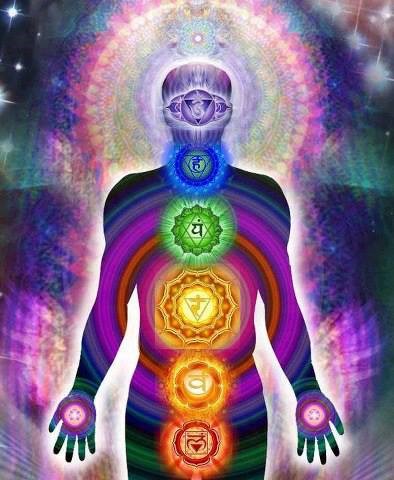
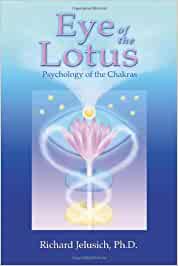
This fundamental shift is at the heart of the pioneering work of Dr. Richard A. JelusichIntegrative Chakra Therapy® (ICT). An approach that moves beyond generic energy healing. ICT presents a revolutionary idea: the seven main chakras are not merely abstract energy centers, but distinct, functional centers of consciousness! Each governing specific aspects of our psychological and emotional being, offering a practical map for self-understanding. The aim is not to add spiritual tasks, but to help you resolve stress and imbalance at their core within your psyche.
The Inner Shift: From Reactivity to Conscious Awareness
Many are initially drawn to Integrative Chakra Therapy® seeking relief from anxiety or chronic stress, and they find it. However, the process is far more profound than simple relaxation. It is a transformative journey from unconscious reactivity to conscious, compassionate awareness.
For example, when your root chakra—the center of safety—holds fear, it can trigger constant anxiety and keep your body in a “fight-or-flight” state. An ICT session brings gentle, conscious attention to this fear, helping release deep wounds and allowing your nervous system to shift from survival to a sense of grounded security.
This initial shift creates the space for profound self-awareness. You might begin to see that your recurring throat chakra issues—such as frequent sore throats or a chronic difficulty in comprehending your truth—are not random occurrences. Instead, they are directly linked to a deeper pattern of stifled self-expression originating in your solar plexus chakra, the seat of your personal power.
What appears on the surface as a physical symptom is, in reality, a poignant conversation between your centers of awareness. Integrative Chakra Therapy® gives you the lexicon to decode this conversation, allowing you to heal the root emotional conflict rather than just repeatedly soothing the surface-level manifestation.
The Modern Medical Bridge: A Partner in Whole-Person Health
ICT’s true strength lies in its alignment with modern healthcare models like Integrative and Functional Medicine, making it a valuable, evidence-informed partner in whole-person care.
In Integrative Medicine, the goal is to blend the best of conventional treatments with validated complementary therapies. Here, Integrative Chakra Therapy® serves as a vital ally to address the profound psychological and emotional toll of illness. For a patient undergoing chemotherapy, work with the solar plexus chakra can be instrumental in restoring a sense of personal power and agency. Similarly, focusing on the heart chakra can help process the grief and fear of a new diagnosis, fostering essential self-compassion.
In Functional Medicine, the focus is laser-sharp: uncover and address the root causes of disease, with chronic stress being a primary culprit. Integrative Chakra Therapy® offers a precise map for this very investigation. A Functional Medicine practitioner might identify that a patient’s elevated cortisol levels and related digestive issues are fueled by deeper, perceived lack of safety and low self-worth. By using chakra work to address these core psychological drivers, ICT helps create a lasting shift in the autonomic nervous system. It becomes a strategic tool for actively rewiring the underlying stress patterns that disrupt hormonal balance, gut health, and immune function.
The Future is Whole-Person Care
We are collectively moving away from an outdated model that treats the physical body in isolation. The future of healing honors the full human experience—body, mind, spirit, and the conscious energy systems that connect them all.
Integrative Chakra Therapy®, as defined by Dr. Jelusich, is perfectly poised for this new era. It provides both a language and a method for exploring the inner dimensions of health. It empowers you to become a conscious architect of your own well-being, not by adding more tasks, but by illuminating the deep connections between your psychological patterns and your physical state. This process restores balance and fosters a deep, trusting connection to your own inner wisdom.
True healing, as ICT reveals, is not a sudden transformation but a gentle unfolding—a remembering of your innate harmony. In this remembering, well-being is no longer a goal to chase but a natural state of being to reclaim.
Recently, I engaged in a conversation with fellow spiritual healers about the understanding of judgment and discernment. It was evident that these two words are often entangled, leading to confusion about their true meanings and implications. While both involve making evaluations or assessments, they invariably operate from different mindsets and intentions. Thus, it is important to understand the distinction between judgment and discernment to foster healthy relationships, promote understanding, and enhance personal growth.
N
Nature of Judgment
Judgment typically involves forming opinions or conclusions about situations, events, and people. A dictionary will tell you judgment is based on personal biases, preconceptions, and/or limited information. It often arises from a place of ego, fear, or insecurity, where individuals project their own beliefs, values, and expectations onto others without genuine understanding or empathy.
In essence, judgment tends to be rigid, categorical, and even closed-minded. It can lead to division, prejudice, and often conflict. This can consciously and often unconsciously set up barriers that hinder authentic connection and compassion. When we judge, we impose our subjective viewpoints onto reality, disregarding the complexity and diversity of human experiences.
Discernment is an Art
When we look at discernment, we are using skills that involve perceiving, analyzing, and understanding with clarity and wisdom. Unlike the nature of judgment, discernment is an art that operates from a place of openness, curiosity, and humility, allowing individuals to navigate through complexities and nuances without jumping to hasty conclusions.
To practice discernment, one is required to focus on mindfulness and self-awareness. This focus enables individuals to differentiate between facts and interpretations. Individuals become aware of ways to discern patterns and underlying motivations and recognize the broader context in which events unfold. Discernment encourages critical thinking and emotional intelligence, fostering deeper insights and meaningful connections with others.
How can we distinguish whether we are engaging in judgment or exercising discernment?
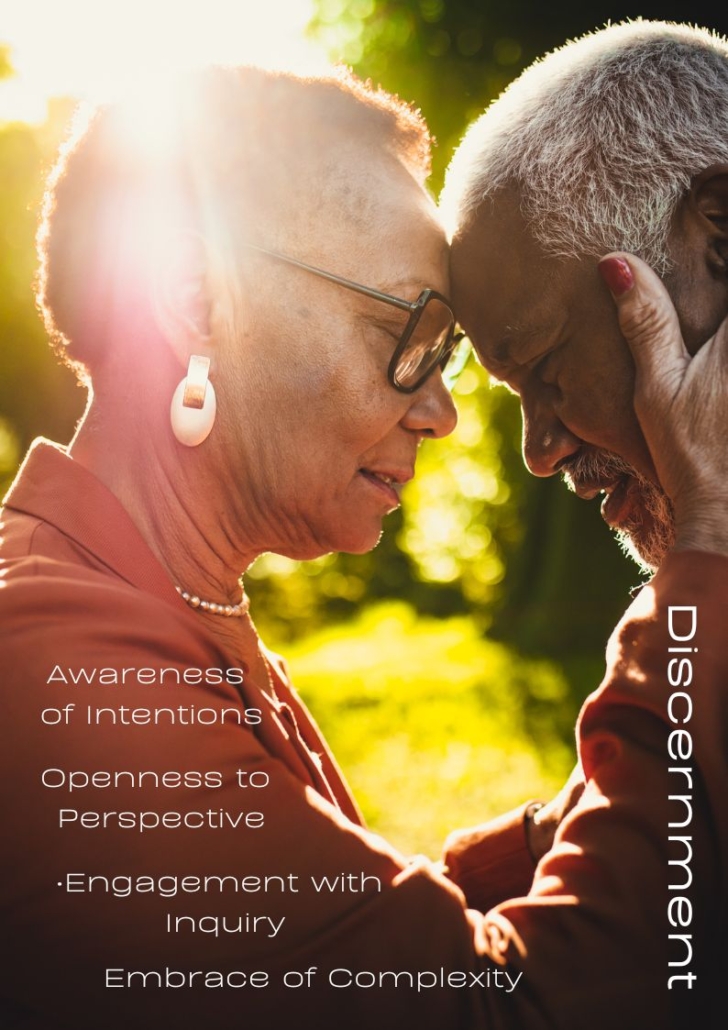
Awareness of Intentions: Judgment more often than not stems from a place of ego or insecurity. In judgment, we seek to validate one’s beliefs or assert dominance over others. In contrast, discernment arises from a place of humility and empathy, aiming to understand and navigate complexities with clarity and compassion.
Openness to Perspective: Judgment tends to be narrow-minded and dismissive of alternative viewpoints, while discernment embraces diversity and seeks to explore multiple perspectives without prejudice or bias.
Engagement with Inquiry: Judgment relies on assumptions and stereotypes, whereas discernment involves asking questions, seeking understanding, and being open to new information and insights.
Embrace of Complexity: Judgment oversimplifies and categorizes, whereas discernment acknowledges the multifaceted nature of reality, embracing ambiguity and paradoxes with humility and curiosity.
How can we cultivate discernment in everyday life?
Cultivate discernment in our interactions and decision-making processes with a practice of mindfulness and self-reflection. Learn to become aware of our thoughts, emotions, and biases recognizing we all are a work in progress.
Cultivate empathy and compassion by seeking to understand one another’s perspectives and experiences. Be the observer listening without judgment.
Look for ways to engage in critical thinking and inquiry, questioning assumptions and examining evidence before forming opinions.
Embrace uncertainty and complexity, recognizing that truth is often multifaceted and context dependent.
My final thoughts are while judgment and discernment both involve evaluation and assessment, they operate from fundamentally different mindsets and intentions. By cultivating discernment over judgment, we can foster deeper understanding, promote empathy and inclusivity, and navigate through life’s complexities with clarity and wisdom.
Choosing discernment over judgment allows us to support a deeper understanding of ourselves and of others, fostering empathy, inclusivity, and clarity in navigating life’s complexities. Discernment then becomes a guiding principle in both our personal and professional lives, shaping a culture of compassion, curiosity, and mutual respect within our communities.
In nurturing a culture of discernment, we create spaces where individuals feel valued, understood, and empowered to engage in meaningful dialogue and collaboration. This shift from judgment to discernment opens us to the richness and diversity of the human experience, facilitating deeper connections and collective spiritual growth.
Just for today, let us embark on this journey of discernment together, embracing life’s uncertainties with humility, curiosity, and compassion as our compass. Through this intentional choice, we pave the way for profound personal and professional transformation, fostering a world of understanding and connection.
Let’s discuss the exploration of intentional solitude, its benefits, and the practical steps individuals can take to incorporate it into their lives for holistic well-being.
Intentional solitude is a deliberate choice to step away from the constant noise and demands of the external world. It is not an escape but rather a conscious effort to create a sacred space for self-reflection, personal growth, and the rediscovery of one’s inner self. In this era marked by incessant connectivity, intentional solitude becomes a valuable tool to navigate the complexities of daily life.
To fully appreciate the significance of intentional solitude, it’s crucial to recognize its distinction from isolation. While isolation implies being cut off from others due to external circumstances or internal struggles, intentional solitude is an initiative-taking decision to embrace aloneness as a transformative journey. It is about turning inward to listen to one’s own needs, aspirations, and fears without the interference of external influences.
Incorporating intentional solitude into one’s life involves a variety of practices that cater to the holistic well-being of the mind, body, and spirit. Mindfulness practices, such as yoga and meditation, offer effective ways to cultivate inner peace and awareness. These practices enable individuals to be present in the moment, fostering a deeper connection with themselves and their surroundings.
Engaging with nature is another powerful aspect of intentional solitude. Activities like hiking and swimming provide opportunities to immerse oneself in the natural world, promoting a sense of unity with the environment. Nature has a profound ability to heal and rejuvenate, making it a vital component of intentional solitude.
Your use of Reiki, Integrative Chakra Therapy, and Hypnotherapy as intentional practices further exemplifies the diverse approaches one can take on this transformative journey. These holistic therapies offer not only relaxation but also serve as tools for self-empowerment, helping individuals break free from the noise of external influences and reconnect with their inner selves.
By recognizing the signs of true isolation versus solitude, individuals can make informed choices that align with their well-being. Actively choosing connection, whether through social interactions, meaningful relationships, or engaging in activities that bring joy, adds another layer to the intentional solitude narrative. This integrated approach fosters a balance between solitude and connection, empowering individuals to navigate life’s challenges with resilience and self-awareness.
In the end, intentional solitude is a profound and purposeful journey inward, offering transformative benefits for mental, emotional, and spiritual well-being. Through mindfulness practices, nature engagement, and holistic therapies, individuals can embark on a holistic journey, breaking free from the chains of isolation and forging a path toward meaningful connections and profound self-awareness.
In today’s chaotic world and challenging times, individuals are often finding themselves struggling. Being able to use beneficial grounding and clearing techniques will help manage financial, physical, emotional and spiritual challenges such as, emotional overwhelm, feelings of lostness, ungroundedness or even those imposed upon you from the intense ‘outside’ global ongoings. War, famine, hate, persecution to name a few.
Studies have shown us that to be effective in one’s spiritual growth and healing, a practice of being centered, grounded and clear is crucial. It has become imperative for practitioners and individuals to learn techniques that can support a healthy balance of the physical, mental, emotional and spiritual bodies. To be centered (grounded) is a way to protect ourselves against overwhelm, negative draining energies, and other peoples’ ‘stuff’.
These practices, I am about to share, help you to stay present in the moment. For instance, to Ground is similar to having a tether from you and your energy to Mother Earth, and can provide a sense of stability, balance, and protection. Practitioners, in particular, benefit from grounding as it enables them to differentiate between their own energy and that of their clients. The process of Clearing is the letting go of energies that are not your own or that are not suiting your highest purpose at this time, assisting in developing resistant to the energies of overwhelm, and drain. When practiced daily you may find that you have a more focused and clear process of thought.
The following techniques are part of my daily grounding and clearing routines. By walking you through their processes I hope to bring you a moment of empowerment and self-realization.
1: Grounding or Rooting Visualization
This powerful visualization allows you to feel Mother Earth’s stability and support. Before embarking on a challenging task, find a comfortable, quiet space to rest and start this visualization.
Close your eyes, and take in a few deep breaths, directing your attention inward. In this quiet space, visualize or imagine roots sprouting from the base of your spine or the soles of your feet, extending deep into Mother Earth, reaching the core.
Now as you to visualize any excess or foreign energies flowing down allow it to release through these roots, leaving you cleansed and balanced. And when you feel clear, gently draw up the nurturing and stabilizing energy from Mother Earth through your envisioned roots, filling your entire being with this nurturing energy.
This technique sets a clear intention for your day, affirming that you are grounded, protected, and ready to conquer challenges.
2: Physical Grounding
This technique not only establishes a tangible connection with Mother Earth but also encourages a moment of mindful breathing. Practice when feeling overwhelm or out of control to physically ground and bring your awareness into center. Helping you to regain control over the situation.
Begin by standing barefoot on a natural surface, such as grass, soil or sand. As you focus on the sensation of your feet touching the ground, shift your attention to your body, feeling the reassuring weight of your ‘being’ being supported by Mother Earth. Visualize a connection of you and the earth beneath you. Then, breathe, slow rhythmic breaths, visualizing your excess energy releasing, even if you do not know what that may be, into Mother Earth. You may wish to count your breaths: count of 3 in, hold for count of 3, and release for count of 3.
Notice that connection to Mother Earth and the calming energies flowing through you, notice the breath, the flow, to and from Mother Earth, balancing, grounding, and clearing you.
3: Work with Natures Grounding Crystals / Stones
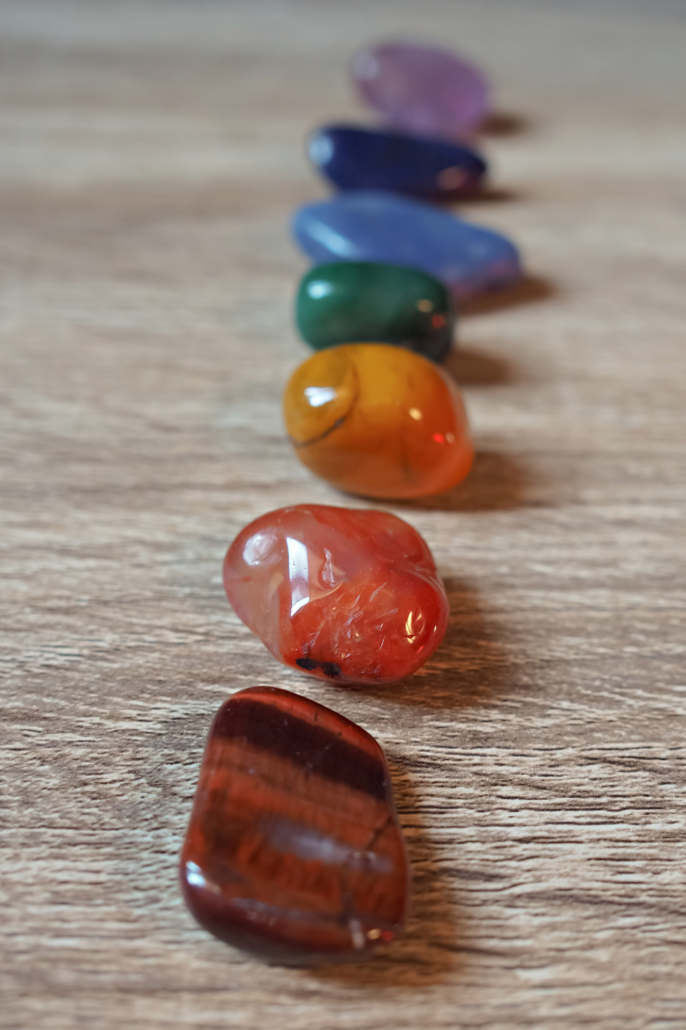
Popular grounding crystals like black tourmaline, hematite, or smoky quartz can be excellent companions for grounding and clearing energies. I have also found using stones such as moss agate, black obsidian and shungite, amplifies these clearing and grounding techniques.
The practice of selecting a grounding crystal or stone varies for each individual. I suggest you hold it in your dominant hand and place this hand against your heart. Notice how you feel or notice if you are being pushed away or pulled forward. Pushing away indicates this crystal may not be ideal for you. Being pulled forward indicates a good connection with its’ energies.
To use the crystal simply hold or place it nearby and invite the grounding energies into your space. You may wish to close your eyes and connect with the crystal, envisioning its grounding properties enveloping you. Continue the visualization as the energy merges seamlessly with your own, imparting balance, stability and grounding.
Finally taking a moment of gratitude to express thanks to the crystal for its invaluable support.
4. Heart-Centered Exercise
This exercise aims to shift your focus from the mentalism’s of the mind and ground you in the heart center, the place of pure love and compassionate energy.
You begin by closing your eyes and drawing a deep relaxing breath. Then while you continue breathing at your normal rhythm, imagine or visualize a radiant ball of energy, platinum or silver-white, hovering weightlessly just above the crown of your head. Slowly, envision this ball descending, gently down through the crown, passing behind your eyes, your nose, your mouth, allowing it to come to rest just above your heart center. Take in a breath and experience the pureness of this platinum ball of energy. Now, gently imagine that your physical eyes are moving into this ball. Through these eyes allow yourself to perceive your surroundings, Notice what you ‘see’ – knowing that you can experience a 360’ view of your world without using your own eyes or moving your head.
Next, allow your physical ears to enter the ball, your sense of hearing. And, notice that it is as though you can truly hear from just over your heart. Listen, what do you hear? 95% of all communication is nonverbal nonphysical, so listen to the subtilties of truth and compassion.
Now, take a moment to imagine your senses of touch, taste, and smell within the platinum ball, experiencing the world through these senses. What do you sense? How does it feel?
Finally, move your mouth into this ball and give it the ability to speak. It is as if your own voice emanates from deep within your chest, just above your heart center. What does this voice of wisdom, purity, love, and compassion have to offer or say from your heart. Now, rest with this for a moment or two until you feel complete, then open your eyes.
5. Clearing the Fields of Energy
Clearing your biofield is recommended daily technique to release and let go of any errant energies that are not serving you. This simple exercise is most powerful when you tune in and allow you intuition to guide your intention and let go.
We begin by you closing your eyes and visualizing or imagining a gentle mist of rain, like a shower of silver droplets descending from a beautiful waterfall. Breathe in as you feel this soft gentle mist as cleansing droplets touching your crown, then expanding into a purifying shower.
Now, visualize the mist descending and gliding off your body, carrying away with it any negativity or external energies. Releasing those which are ready to be released. Even if you do not understand the nature of these energies, allow them to flow effortlessly into Mother Earth.
Breathe in and sense the energy of the sacred feminine principle, allowing you to continue to release and let go, as the mist magnetically pulls any remnant energies out, leaving your cells, molecules, and atoms feeling clear and refreshed.
When you feel complete, you can open your eyes.
6. Clearing the Mind
As with other clearing techniques, clearing the mind is just as important as clearing the body of unneeded or negative energies. Keeping the mind clear of thoughts that are no longer serving you is a beneficial part of letting go.
In this technique I ask you to close your eyes and imagine the image of a comb, similar to that of a sweeping hand. Now with this image in mind gently move or sweep through your thoughts, gently capturing and removing unhelpful thoughts, discordant thinking, doubts, and fears.
The practice of this technique frees your mind from unnecessary clutter we often hold, allowing you to approach your daily life with a clearer perspective. You may wish to repeat this combing action three times as to thoroughly cleanse your mind, of errant thoughts even those thoughts you might not fully understand. And, when you feel complete you may open your eyes.
Final Words
In the end, understanding the importance of grounding and clearing techniques is paramount. These practices are the keys to maintaining balance and being present in the moment. By incorporating one or more of them into your daily routine, you can create a welcoming and nurturing safe space for both you and those around you. The practices empower you to channel healing energy effectively while remaining grounded, centered, and protected. Whether you are preparing for an energy session or simply seeking to enhance your daily life, these techniques are a valuable addition to your toolkit. Remember, it is not only about staying connected to Mother Earth; it is about staying balanced as you connect. Balanced with your inner self and those you aim to help. So, embrace these techniques and explore the transformative power of being rooted in the heart-centered work of Energy Medicine and Energy Psychology.
Ever wondered “How can I just get through this day?” “Why do I always feel so energetically stuck?”
“What is it that I need to change?”
Everyone has within them the ability to heal and the ability to “shift” their current (non-fulfilling) belief patterns into something positive and self-empowering.
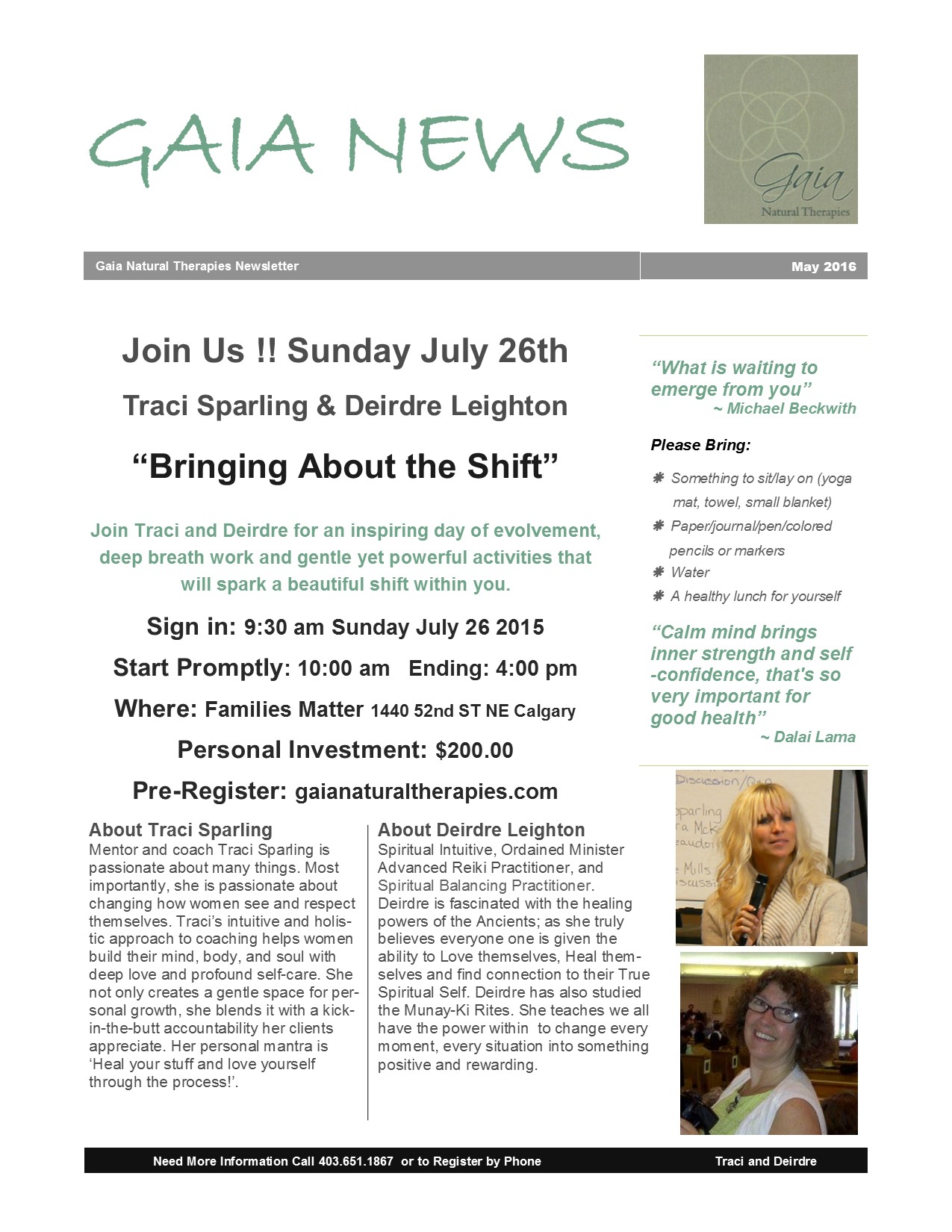
Traci Sparling and Deirdre Leighton have teamed together to help participants find inner peace and self-love through the use of self-empowering tools and techniques to bring about harmony and balance. Traci and Deirdre will lead individuals gently pushing them through the “non-fulfilling” belief patterns to find out who they truly are and that they represent beautiful luminous beings of Light and Love.
This fun filled workshop is about using our own personal gifts as tools to promote a positive transformation “Bringing About the Shift” of who we think we are to who we really are. The day is filled with gentle thought provoking activities and breath work to assist and to bring forth the beauty of positive inner change. Each participant will be given the tools on how to allow and how to support personal spiritual growth to learn:
– that you are worthy of love
– that you have the inner power of self-love
– that you have an amazing voice to share
– that loving yourself allows you to love others
– and as you develop the gifts that you already have you will find self-empowerment
Come Join Us for the day, as we lead you through morning of Quantum Light Breath Meditation and an afternoon of studying your Wheel of Life. The day will close with group discussions, sharing and processing.
“What is waiting to emerge from you” ~ Michael Beckwith
“Calm mind brings inner strength and self-confindence, that’s so very important for good health” ~ Dalai Lama
Register Today for this full day workshop!
https://gaianaturaltherapies.com/wp-content/uploads/2015/04/Heart-Stones.jpg481510Deirdre Leightonhttps://gaianaturaltherapies.com/wp-content/uploads/2019/10/cropped-45798873_276683702986108_7749276086193618944_n.pngDeirdre Leighton2015-05-13 22:53:192023-06-07 16:17:22Bringing About the Shift
We may request cookies to be set on your device. We use cookies to let us know when you visit our websites, how you interact with us, to enrich your user experience, and to customize your relationship with our website.
Click on the different category headings to find out more. You can also change some of your preferences. Note that blocking some types of cookies may impact your experience on our websites and the services we are able to offer.
Essential Website Cookies
These cookies are strictly necessary to provide you with services available through our website and to use some of its features.
Because these cookies are strictly necessary to deliver the website, refusing them will have impact how our site functions. You always can block or delete cookies by changing your browser settings and force blocking all cookies on this website. But this will always prompt you to accept/refuse cookies when revisiting our site.
We fully respect if you want to refuse cookies but to avoid asking you again and again kindly allow us to store a cookie for that. You are free to opt out any time or opt in for other cookies to get a better experience. If you refuse cookies we will remove all set cookies in our domain.
We provide you with a list of stored cookies on your computer in our domain so you can check what we stored. Due to security reasons we are not able to show or modify cookies from other domains. You can check these in your browser security settings.
Google Analytics Cookies
These cookies collect information that is used either in aggregate form to help us understand how our website is being used or how effective our marketing campaigns are, or to help us customize our website and application for you in order to enhance your experience.
If you do not want that we track your visit to our site you can disable tracking in your browser here:
Other external services
We also use different external services like Google Webfonts, Google Maps, and external Video providers. Since these providers may collect personal data like your IP address we allow you to block them here. Please be aware that this might heavily reduce the functionality and appearance of our site. Changes will take effect once you reload the page.
Google Webfont Settings:
Google Map Settings:
Google reCaptcha Settings:
Vimeo and Youtube video embeds:
Other cookies
The following cookies are also needed - You can choose if you want to allow them:
 Gaia Natural Theraapies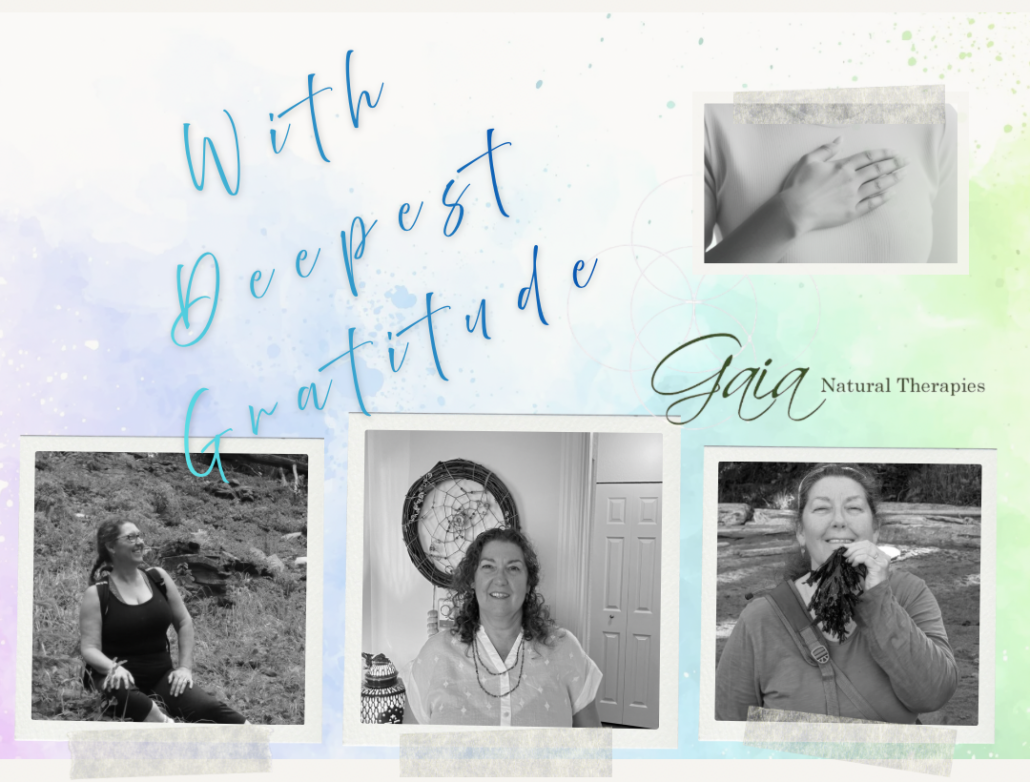











 Deirdre Leighton