
Tag Archive for: Gaia Natural Therapies

Shadows of Self-doubt, Unworthiness: Garnet’s Journey to Mental Wellness

When you start to embark on the complex journey to mental well-being, you may feel like you are navigating a labyrinth of emotions—fear, anxiety, stress, and past traumas that metaphorically are casting shadows of self-doubt, unworthiness, lack of purpose on the path.

The journey becomes a delicate dance of moving forward through healing. In my day-to-day practice I have found that hypnotherapy emerges as a gentle guide, a path to orchestrating a transformative symphony of self-discovery. Let me share my insights as we “dance” through the eyes of Garnet —a real-life example where hypnotherapy became the key to unlocking the gates of empowerment. As we explore her journey, metaphors will serve as poignant symbols, highlighting the profound messages carried in the therapeutic dance. (Note: Garnet is a fictitious name used to conceal personal information and identity.)

Garnet’s Journey: From Shadows to Light

Garnet’s story begins in the shadows of paralyzing anxiety, a consequence of a traumatic incident that lingered for years in the recesses of her mind. Garnet has sought out traditional therapy which provided some relief, but she was still left with this feeling of anxiety when certain circumstances or situations arose. At times it was so paralyzing she was unable to get out of bed. I first worked with Garnet in a Reiki session to introduce the calming effects it can bring forth. We then had a deep conversation around the conscious mind and the subconscious mind and how we store beliefs, traumas, and old patterns. It was this discussion that guided her decision to try hypnotherapy. Her words were “this process allowed me to see how to over come the paralyzing anxiety and empowed myself to see things differently.”

The Sculptor’s Touch

In using the power of metaphor Garnet was able to draw inspiration from the story of a sculptor shaping clay in the therapeutic process described in “Clay Work and Body Image in Art Therapy: Using Metaphor and Symbolism to Heal”  (Crocker, Trisha & Carr, Susan. 2021). We worked together to bring forth her creative consciousness which became the skilled sculptor of her subconscious. Through the visualization of touch both delicate and compassionate, each session was a chance for Garnet to reshape the narrative of her experiences. In this way the sculptor’s (Garnet’s) touch served as a metaphor for her to remodel the paralyzing perception of herself and her past.

The Symphony of Self-Discovery

Much like one could call a “therapeutic symphony” Garnet was now able to start a new journey which unfolded as a mesmerizing composition of self-discovery. Another metaphor that draws inspiration from the symphony presented in the “Metaphors of the Orchestra–The Orchestra as a Metaphor.” (Spitzer, J. 1996). This article helped to underscore each note played by the therapist, every guided meditation, and relaxation technique became a chord in the symphony that resonated within her. She was able to use these transformative melodies orchestrated by hypnotherapy to harmonize with Garnet’s inner rhythm. A process that was now able to unlock the doors of strength and resilience she had never been able to explore. This symphony of self-discovery metaphorically portrayed her therapeutic journey as an orchestration of self-empowerment.

The Garden of Empowerment

Garnet continued her therapeutic dance, as the metaphorical garden of self-empowerment bloomed within her subconscious. Inspired by the metaphor of a garden in the “Sensory Stimulation & Metaphors in the Garden” (Daniela Silva-Rodriguez Bonazzi. 2019), where the therapist cultivated an environment in which the blossoms of self-empowerment could flourish. The importance of trust, faith and self-confidence were delicate shoots and needed to be tended to with care: water, sun, fertilization or self-compassion, love and understanding. Using the garden of self-empowerment metaphor encapsulates a transformative process, where the seeds of resilience were sown, and Garnet found herself standing amidst a garden of the most vibrant hues of newfound strength and wisdom.

A Symphony of Empowerment

In sharing Garnet’s story to self-empowerment and awareness, it becomes evident that empowerment is the crescendo of this therapeutic symphony conducted through the power of hypnotherapy. The sculptor’s touch, the symphony of self-discovery, and the garden of self-empowerment collectively worked to paint a canvas where Garnet could emerge from the shadows into the light of her own strength and personal well-being.

I hope that you can celebrate in Garnet’s journey, and let her story be a testament to the profound impact hypnotherapy can have on unlocking the gates of self-empowerment. Not all clients experience such a therapeutic dance, rich with metaphors. But they can use the power of metaphor to become a guiding force—like a transformative symphony that echoes the possibilities of self-discovery, resilience, and the reclaiming of personal strength. May Garnet’s tale inspire those navigating their own labyrinth of fear and anxiety to consider the transformative power of hypnotherapy as a key to unlocking the path to self-empowerment on their journey to mental health and wellness.

Blessings: Deirdre

Navigating our Shadows: Confronting Fear with Compassion

Confronting Fear with Compassion

The recent weeks have brought a variety of interesting moments, as I was navigating my shadows and confronting my fear with compassion. I found myself in corner of deep introspection and self-discovery. Recently I took a significant step, tendering my resignation from a role I’ve held for nearly 14 years. My decision required a substantial reservoir of courage and compassion, as it meant navigating Fear and the idea of potentially letting someone down. I found myself in an internal dialogue, of what if’s, why’s, and how-tos. Meditation and conversations with my emotions did assist me, and I began to see with clarity a path or journey forward.

During this period, I stumbled upon an authentic compassionate message articulated by Pema Chödrön, which resonated deeply with my journey. Her wisdom encapsulated in this excerpt from “When Things Fall Apart: Heart Advice for Difficult Times” became a guiding light in understanding and confronting my fear. She writes: “Then the young warrior said, “How can I defeat you?” Fear replied, “My weapons are that I talk fast, and I get very close to your face. Then you get completely unnerved, and you do whatever I say. If you don’t do what I tell you, I have no power. You can listen to me, and you can have respect for me. You can even be convinced by me. But if you don’t do what I say, I have no power.” In that way, the student warrior learned how to defeat fear.”

My eyes opened by this insightful dialogue; as fear became a transformative force, illustrating that fear’s power lies in our response to it. By acknowledging its tactics and choosing not to succumb to its demands, one can emerge victorious over fear. This revelation helped to fortify my conviction in the path I chose, reminding me that empowerment arises from understanding and transcending our fears.

We all have those quiet corners of our lives, where the mind whispers of uncertainty. And we often find ourselves face-to-face with fear in those corners with our greatest fears. And did I mention that fear is a formidable adversary, capable of dismantling any of the sandcastle fortresses, of security, we painstakingly build? I felt comfort in the profound work of Pema Chödrön, in “When Things Fall Apart: Heart Advice for Difficult Times,” as it paints a poignant picture of fear as an entity with the power to talk fast and draw in uncomfortably close, leaving us unnerved, overwhelmed and susceptible to its influence.

When we can visualize or imagine this young warrior seeking ‘the’ answer to defeating fear: we can enter into the intimate conversation with fear itself, and the revelation unfolds. Fear, you see, discloses its weapons—words that race and an invasive proximity. Fear thrives on our compliance, gaining strength when we succumb to its demands. However, in a powerful twist, fear unveils its vulnerability. Its potency lies solely in our obedience; without it, fear withers away.

Pema Chödrön imparts a profound lesson through the student warrior’s journey: to overcome fear, one must listen without yielding, respect without submission, and be convinced without surrender. It’s a dance of empowerment, a delicate balance between acknowledging fear’s presence and refusing to let it dictate our actions.

The essence of this wisdom lies in enjoying life fully, much like building that sandcastle fortress on the shore. Embrace the joy without clinging to it desperately, for the tide of change is inevitable. And all things wash away. So, as we navigate the ebb and flow of life, the key is to recognize fear, stare into its eyes with unwavering determination, and steadfastly choose our own path.

Confronting fear is not about eradicating it entirely; rather, it’s about understanding its nature and disarming it through our resilience and self-empowerment. By embracing the impermanence of our sandcastles, we learn to dance with the uncertainties, finding strength in vulnerability, and transforming fear into our guide rather than our dictator.

And so, I found that quiet corner of introspection, and had that conversation with the shadows of my fears, and I let compassion be my companion. For it was in that gentle embrace of self-compassion and understanding that my fortress of fear began to crumble.

I was able to learn the art of defeating fear, not with force, but with the profound wisdom that arises when we face the shadows with an open heart and an unwavering spirit.

Blessings Deirdre

Why Kick the Smoking Habit

We all understand to kick the smoking habit is a powerful move towards a healthier life. But many struggle with this and feel that kicking the habit is something they just can not do alone. Why? Because it is more than just ditching cigarettes. It is about understanding the process and taking an integrated approach that not only boosts your physical well-being but also nurtures emotional and mental healing. When we dive into three compelling reasons on why being ‘smoke-free’ and review three powerful tools to aid anyone in their journey we can observe smoking cessation as a significant game-changer.

Three impactful reasons to become Smoke-Free:

1. Health and Wellness:

Let us talk science. Today there is overwhelming evidence that giving up smoking is a life-changer for your health. We are talking about the big health issues: lung cancer, heart disease, and all those respiratory issues. Research shows that cigarettes are a key player in these health issues. In fact, about 85% of lung cancer cases are directly tied to smoking. Why? Because smoking causes genetic changes in the cells of the lungs that lead to the development of lung cancer. If that is not a reason to quit, what is?

And it is not just about the lungs, smoking is also the villain behind heart disease. It messes with your heart and blood vessels, setting you up for possible heart attacks and strokes. No thank you!

Oh, and let us not forget about the breathing problems – chronic bronchitis and emphysema, for instance. Smoking can be to blame there as well.

Thus, quitting is not just about ‘lighting up’ to a healthier future. it is about promoting positive mental health, emotional awareness, self-empowerment and amplified healing of old beliefs and emotional wounds.

2. Improved Emotional Well-being:

When it comes to our emotional and mental well-being, we believe smoking gives us relief. But let us get real; smoking unfortunately does the opposite as when the cigarette is finished the moment of relief is gone and that stress and trauma is still there. It is a double-edged sword. Sure, it might give you a momentary escape from life’s challenges, but it does not really deal with the emotional stuff. In fact, it can make things worse by hooking you into a nicotine addiction.

3. Financial Freedom:

And to not look at the fact that smoking is expensive would be misleading. Most Canadian smokers are probably spending $12 plus taxes per pack. And some are smoking more than one pack per day. Over the course of seven days that could accumulate to $168 plus. Imagine what you could do with that money if it were not going up in smoke!

Quitting smoking opens doors to all sorts of financial possibilities. Imagine it: that dream trip, a sweet new vehicle, getting rid of or lowering debt. Maybe even having a rainy-day fund. Crunching the numbers on your potential savings can be super motivating. Plus, this newfound financial freedom can reduce the mental and emotional stress around money, there fore relieving monetary anxiety. Cha-ching!

Three Tools to Help in the Journey:

1. Meditation and Mindfulness:

Trying meditation and mindfulness can help you manage cravings, chill out releasing stress, by connecting with your inner self. When you are on a mission to quit smoking, these practices are like your secret weapons.

Meditation brings you to a moment of inner peace where you can see those cravings without judgment. And that is a huge deal when it comes to stepping towards mastering those smoking triggers.

Mindfulness, on the other hand, helps you live in the now. It shifts your focus away from lighting up and towards making those healthier choices, boosting both self-awareness and empowerment.

2. Hypnotherapy:

During a hypnotherapy session, the therapist works with you to see what are the triggering factors that brought you to picking up that first cigarette. And why those imprinted beliefs are now keeping you as a smoker. In hypnosis you are working with the subconscious mind so that you can release or shift the old patterns and beliefs into new more beneficial ones.

For many individuals, smoking is far more than a nicotine craving; it is a perceived way to cope with emotions and stress. The Hypnotherapist works to assist you in seeing what is truly going on, finding the root cause for why you use cigarettes in this way. The process is a journey helping you see your smoking habit from a different perspective one that you can change.

3. Supportive Community:

When you are on your journey to quit smoking, remember you are not alone. Often, we underestimate the support network we have, which includes friends, family, co-workers, and other people who genuinely care about your success. They are all cheering for you from the sidelines, much like your personal backup singers, helping you reach those high notes.

At times, a simple breath and reaching out to a friend or family member can be a lifeline during tough moments. A brief conversation, a few words of encouragement, and their understanding can be a game-changer. Building a circle of supportive individuals is more than just practical help; it also lightens the emotional load of quitting. Do not hesitate to connect with them!

Final Thoughts:

Giving up cigarettes, becoming smoke free is about changing the habit or belief. Quitting smoking is not only about quitting; it is about healing. It is about healing old emotional wounds and saying, “I love myself enough to do this.” it is a profound act of self-love and self-care. A ticket to be in control and to have emotional resilience over your life. Smoking Cessation is not just about getting healthier; it is about living a happier, more fulfilling life.

If you feel you are needing help in becoming Smoke Free reach out, I would love to chat about what we can do together to make it happen. Book Now!

Blessings Deirdre

Unleashing Your Inner Power: Embark on a Journey to Self-Empowerment

I understand the desire to tap into personal power, growth, and self-discovery, and the search for tools and techniques that can help unleash our true potential. But how do we determine which tools and techniques are right for us? How can they support us? Do they offer transformative experiences?

When I talk to clients about these three powerful modalities—Reiki, Spiritual Healing, and Hypnosis— I discuss with them how each modality can assist in the releasing of limitations, facilitate inner healing, and awaken their natural abilities.

Reiki: Healing Energy for Self-Empowerment

So, what is Reiki – at its core, Reiki focuses on harnessing the healing power of universal life force energy, known as Chi. This energy naturally flows through the practitioner to where it is needed most. I work with clients using gentle touch in various hand positions or no touch depending on.

  • The clients wishes – yes touch is OK or no it is not OK
  • We are working via Zoom – in a different location, city, country

Aa a practitioner I collaborate energetically with the recipient to promote an overall sense of well-being, relaxation, and rejuvenation of the body, mind, and spirit.

I am facilitating the balance of Ki energy by holding the space and helping move stagnant energy, release heavy emotions, and restore energetic harmony from within. A process I believe fosters self-awareness, empowering individuals to cultivate their own profound sense of well-being.

My clients have noticed with regular Reiki sessions how empowering it is to take an active role in their own healing journey.

  • Developing a deeper connection with the body
  • Cultivating mind-body awareness
  • Addressing personal energetic imbalances
  • Understanding one’s capacity to heal
  • Facilitating personal transformation, healing, and positive change

My Reiki Master once stated ‘that it is a remarkable healing modality that unlocks the innate healing power we all carry within, and by embracing the power of Reiki anyone can embark on a personal journey of self-empowerment’ ~ Doug Horne, Spiritual Reiki Master Shaman.

Spiritual Healing – Integrative Chakra Therapy®: Nurturing the Journey of the Soul

When I am asked what is Spiritual healing? I explain that this modality takes a comprehensive approach by encompassing various practices and modalities. Each one interconnects with the deeper levels of our mind, body, and spirit—the essence of our being. It recognizes the interconnectedness of these aspects and acknowledges that imbalances in the spiritual realm can manifest as physical, emotional, or mental ailments in the physical realm.

In the teachings of Spiritual healing, I have learned that it is not limited to any particular religion or belief system. It involves working with our intention, our higher realms of consciousness, and our personal connection to a higher self or “Oneness” to bring about alignment and transformation.

The goal of spiritual healing is to promote a healthy, balanced, and aligned state on a deep, soul level. And, is recognized in various practices from different cultures and traditions. Spiritual healing can be employed by –

  • Working with the energy of the chakras “Integrative Chakra Therapy® a philosophy developed by Dr. Richard Jelusich, aiming to bring forth balance within the 4 architypes of the human being (physical, emotional, mental and spiritual) and to clear the energy bio-fields (aura: physical, astral, causal) bringing forth inner peace, harmony, and balance.
  • Engaging in inner self-reflection, Meditation, Yoga, Breath Work; therapeutic practices to identify and release negative emotions, traumas, limiting beliefs, or patterns that no longer serve well-being. Helping individuals to find their place in the harmony and balance of all things – the present moment.
  • Through invoking the power of focused intention through Prayer and Meditation to tap your higher states of consciousness, receive guidance, and find comfort and support.
  • Utilizing Shamanic Traditions to work with spiritual guides, ancestors, and elemental forces through healing rituals and ceremonies that restore balance and bring harmony Spirit, Mind and Body.

My clients have informed me through the work of mind-body connection; spiritual healing recognizes the influence of our thoughts, our emotions, and beliefs on our well-being. By introducing practices such as:

  • affirmations
  • visualizations
  • guided meditations

Clients have found help in establishing a sense of connection, groundedness, and present-moment awareness. I believe that when a person engages in mindful practices it allows them to tap into self-awareness, reduce anxiety, and find a place of inner peace.

And of course, one can not negate the importance of being connected to Nature. This connection offers a powerful source for personal growth and healing, fostering unity, nurturing empathy, and owning one’s responsibilities. Spending time in nature, appreciating its beauty, and experiencing its serenity can rejuvenate our own energy system, deepen our understanding of ourselves, and enhance our connection, as we become more aware of our role and responsibilities to the larger web of life.

Hypnosis: Unlocking the Power of the Subconscious Mind

Recently I have witnessed just how powerful a tool Hypnosis is. In working with client to help them access their subconscious mind to create positive changes in day-to-day life. Because the role of the subconscious mind is to protect us, it will or may take beliefs, events, situations, habits, memories we have experienced and use them as current life situations even if they are outdated or misinterpreted. Causing for the client at times states of anxiety, fear, pain, and array of other modalities. It is the job of the trained hypnotherapist to help individuals unlock what is the root of their problem and safely work with them in a state of deep relaxation and heightened focus known as hypnosis.

During hypnosis, clients can bypass the critical (conscious) mind and establish a direct connection with the subconscious. And once in this state, the client, while working with the therapist, can identify and reprogram limiting beliefs, release fears and traumas, and cultivate new empowering thought patterns. This process can lead to a dramatic shift in thoughts, emotions, behaviors, improving self-confidence, and bring forth a positive mindset aligned with the clients’ personal goals.

I like to remind my clients that the conscious mind remains active during a hypnosis session, ensuring the safety and ethical integrity of the session. Clients can deepen or lighten their experience and can event down right lie about situations as they are still very much in control even though they are in a hypnotic state. At no time will they be asked to do something inappropriate and of course this means that they can not be forced to do anything they do not wish to do. Hypnosis is a collaboration with the subconscious mind in the post-hypnotic stage to reinforce and integrate positive changes and works best when clients and therapist have a sound positive report built on integrity and honesty.

To embark on a journey of self-empowerment, one needs curiosity, courage, openness, and a willingness to explore new possibilities. The practices of Reiki, Spiritual Healing, and Hypnosis offer unique pathways to unlock our inner power and unleash our true potential. Combining these modalities can create a transformative collaboration, facilitating profound healing, self-discovery, and personal growth.

To embark on a journey of self-empowerment, one needs curiosity, courage, openness, and a willingness to explore new possibilities. The practices of Reiki, Spiritual Healing, and Hypnosis offer unique pathways to unlock our inner power and unleash our true potential. Combining these modalities can create a transformative collaboration, facilitating profound healing, self-discovery, and personal growth.

Blessings Deirdre

The Power of Guided Imagery and Metaphors

Hypnotherapy for Stress and Anxiety Relief

With all the hustle and bustle of our busy world today, many have found that stress and anxiety have become common issues that can have a significant impact on our mental health and well-being. Fortunately, a valuable technique often used in hypnotherapy, known as guided imagery, when combined with the use of metaphors, has been proven to effectively alleviate stress and anxiety.

So, let us explore what guided imagery is, how it is used in hypnotherapy, and the role metaphors play to support this therapeutic approach. Additionally, five practical tips have been included at the end of this article to be used to enhance the effectiveness of guided imagery and metaphors in hypnotherapy for stress and anxiety relief.

Firstly, let’s look at what guided imagery is. It is a relaxation technique that involves using mental images to stimulate the senses and create a desired state of mind. It relies on the power of the imagination to evoke vivid sensory experiences, transporting individuals to a calm and serene mental space. By engaging the senses (smell, taste, touch, sound) through visualization, guided imagery helps bypass the conscious mind’s barriers and accesses the subconscious, where positive change and emotional healing can occur.

Guided Imagery

Guided imagery, when used in conjunction with hypnotherapy—a therapeutic approach that utilizes hypnosis to induce a heightened state of suggestibility—provides an ideal platform for incorporating and maximizing the benefits of the client’s imagination. During a hypnotherapy session, a trained therapist guides the client into a deep state of relaxation (hypnosis) and then introduces visualizations tailored to the individual’s specific goals.

To alleviate stress and anxiety, guided imagery in hypnotherapy often involves mentally creating (thinking, visualizing, imagining) a peaceful scene or environment. By doing this, you are assisting the client in building an image. It may be described as a tranquil beach, a serene garden, or any other soothing setting that resonates with the client. Alternatively, the therapist may have the client develop and engage in their own calming, tranquil, safe place. Once established, through the therapist’s guidance, the client engages all of their senses, visualizing the colors, sounds, smells, and textures of this space. They are immersed into the experience, which helps the client shift their focus away from stressors and induces a state of relaxation and inner peace – calmness.

Metaphors

When metaphors are used in conjunction with guided imagery, metaphors become powerful tools used to support the imagery. The subconscious mind loves to be creative, and thus, this enhances the client’s ability to tap into the subconscious mind’s symbolic language, making complex concepts and emotions more accessible and relatable. By using metaphors, therapists can bypass potential resistance and work with the client’s deeper understanding.

In the context of guided imagery, metaphors are employed to enhance the effectiveness of the visualizations. For instance, a therapist may use the metaphor of a gentle breeze to represent the release of tension and worry. By associating the sensation of a gentle breeze with relaxation, the client’s subconscious mind can create a strong link between the two, making it easier to evoke a sense of calm when the metaphor is employed in subsequent sessions or even in daily life.

Metaphors can also be utilized to reframe and transform negative thought patterns. For example, a therapist might compare negative thoughts to dark storm clouds and guide the client to visualize the clouds dissipating, revealing a clear blue sky. This metaphorical transformation helps individuals reinterpret their negative thoughts and emotions, promoting a more positive and optimistic outlook. 

In summary, when guided imagery is accompanied with the use of metaphors, a powerful technique for relieving stress and anxiety is created within the realm of hypnotherapy. By implementing the tips offered below, anyone can enhance the effectiveness of a guided imagery session, ensuring a personalized and impactful experience for clients. By tailoring imagery, engaging all the senses, using resonant metaphors, and then incorporating post-session practice, such as combining guided imagery with breathing exercises, you are contributing to a more profound relaxation response and long-term stress management regime.

If you need to seek the guidance of a trained hypnotherapist or spiritual life coach, please call Deirdre. She will ensure safe and effective utilization of these techniques. With dedication and practice, guided imagery and metaphors can provide valuable tools for alleviating stress and anxiety, fostering positive mental well-being and a greater sense of inner peace.

As promised, here are five tips to enhance guided imagery and metaphors in hypnotherapy for stress and anxiety relief:

Five Tips of Use:


  • Tailor the imagery to the individual: Recognize that each person’s experience and preferences may vary. Take the time to understand the client’s unique needs and interests to create visualizations that resonate with them personally. By customizing the imagery, it becomes more meaningful and engaging for the individual, thereby maximizing its therapeutic impact.
  • Engage all the senses: Encourage clients to utilize all their senses during the guided imagery process. Prompt them to imagine the sights, sounds, smells, tastes, and textures of the imagined environment. By involving multiple senses, the experience becomes more immersive, enhancing relaxation and reducing anxiety.
  • Use metaphors that resonate: Choose metaphors that have personal relevance to the client. Metaphors should align with their values, beliefs, and experiences. This ensures a deeper connection to the metaphorical transformation and enhances its impact on the subconscious mind. Personalized metaphors facilitate a stronger emotional response and promote lasting change.
  • Encourage post-session practice: Empower clients to practice guided imagery outside of therapy sessions. Provide them with audio recordings or written scripts of the visualizations to use independently. Regular practice strengthens the neural pathways associated with relaxation, making it easier for clients to access a state of calmness during stressful situations. Consistent practice reinforces the positive effects of guided imagery, leading to long-term stress and anxiety reduction.
  • Combine guided imagery with breathing exercises: Integrate deep breathing techniques with guided imagery to amplify the relaxation response. Instruct clients to take slow, deep breaths as they engage in the visualization process. Deep breathing promotes relaxation, reduces anxiety, and enhances the overall effectiveness of guided imagery. Encourage clients to practice deep breathing alongside their guided imagery exercises, both during therapy sessions and in their everyday lives.

Blessings Deirdre 

Read more: The Power of Guided Imagery and Metaphors

D’arcy-Sharpe, A.-M. (2020, May 30). https://www.pathways.health/visualization-guided-imagery-for-pain-relief/. Retrieved from https://www.pathways.health: https://www.pathways.health/visualization-guided-imagery-for-pain-relief/

LAMBERT, S. A. (1996). The Effects of Hypnosis/Guided Imagery on the Postoperative Course of Children. Journal of Developmental & Behavioral Pediatrics, 17(5):p 307-310.

Pincus, David, and Anees A. Sheikh. (2011). David Grove’s Metaphors for Healing. Retrieved from https://digitalcommons.chapman.edu/: https://digitalcommons.chapman.edu/cgi/viewcontent.cgi?article=1042&context=psychology_articles

Vivify: Revitalize Your Mind, Body, and Spirit

In our fast-paced and demanding lives, finding ways to rejuvenate and revitalize ourselves is essential for maintaining overall well-being. One powerful approach that offers a holistic way to restore and renew is vivify. In this post, we will explore the concept of vivify and how it can help us revitalize our mind, body, and spirit, enabling us to thrive and live life to the fullest.

  • Understanding Vivify: Embracing the Essence of Revitalization
    Vivify is more than a mere word; it represents a profound shift towards rejuvenation and renewal. It encompasses the idea of breathing new life into ourselves, awakening our senses, and cultivating vitality. By embracing vivify, we embark on a journey of self-care and self-discovery, reconnecting with our innate capacity for revitalization.
  • Nurturing the Mind: Cultivating Mental Clarity and Well-being
    The mind plays a vital role in our overall vitality. Through practices such as meditation, mindfulness, visualizations and positive affirmations, we can nurture our minds and promote mental clarity, focus, and emotional well-being. Vivify encourages us to take moments of stillness, explore our thoughts, and engage in activities that uplift and energize our minds.
  • Energizing the Body: Embracing Physical Vitality
    Our bodies require energy and care to thrive. Vivify emphasizes the importance of physical vitality through exercise, nourishment, and self-care practices. By engaging in regular physical activity, adopting a balanced and nutritious diet, and prioritizing rest and relaxation, we can invigorate our bodies and experience increased energy, strength, and overall well-being.
  • Rejuvenating the Spirit: Nourishing the Soul’s Essence
    Nurturing our spirits is an integral part of the vivify process. Engaging in activities that bring us joy, connecting with nature, and exploring our passions can rekindle our inner flame. Practicing gratitude, self-reflection, and acts of kindness also help to nourish our spirits and bring a sense of purpose and fulfillment to our lives.
  • Cultivating Vivify: Practices for Revitalization
    There are various practices and techniques that can be incorporated into our daily lives to cultivate vivify. These include breathwork exercises, body movement practices like yoga or Tai Chi, engaging in creative pursuits, spending time in nature, and seeking support from holistic modalities like Hypnotherapy, energy healing such as; Reiki or Integrative Chakra Therapy® or other modalities. The key is to find what resonates with us personally and integrate these practices into our routines.

To Vivify is to embrace a transformative approach to revitalization, allowing us to tap into our inner wellspring of energy and vitality. By nurturing our mind, energizing our body, and rejuvenating our spirit, we can experience a profound sense of well-being and live life with zest and purpose. Embrace the essence of vivify, and embark on a journey of self-care and renewal, unlocking your full potential to thrive and flourish in every aspect of your life.

Blessings Deirdre

Metaphysics – Chakras – Subtle Energy Healing

Spirituality through Metaphysics, Chakras and Subtle Energy Healing

Integrative Chakra Therapy®

I am pleased to announce I will be teaching Dr. Richard Jelusich’s  Integrative Chakra Therapy®  program in Nanaimo, BC

Thoughts on the Chakra System

Chakras

So what is a Chakra?

What does your Chakra say about you?

What is your purpose is in this life?

“Knowing others is intelligence;
knowing yourself is true wisdom.
Mastering others is strength;
mastering yourself is true power.”
Lao Tzu, Tao Te Ching

Dr. Anodea Judith author of “Wheels of Life” states: “Chakras are the sacred energy centers within you that carry you toward greater aliveness and realization. As the architecture of the soul, they provide an important map for your wholeness and evolution.”

Dr. Richard Jelusich; author of Eye of the Lotus explains that each “chakra regulates the flow of life-force energy, Psi (also known as Chi or Ki) between the physical and the higher dimensions, and (that) they are the filters through which you perceive life: They are portals for your consciousness to this dimension”.

Barbara Ann Brennan “views the chakras as transformers that receive and process universal energy, as well as enabling expression and healthy functioning of the individual’s own consciousness and psycho-physical make-up.” ~ from Wikipedia

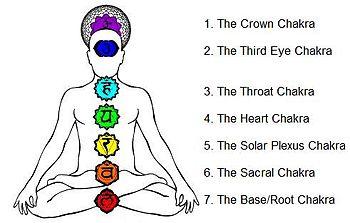
In my opinion each of us is emanated here into this dimension through our Chakras – a set of seven energy vortexes found running from the top of our head the “Crown” to the base of our perineum “Root”. Each one of these vortexes relates to who you are as a spiritual being here in this dimension. Each carries an attribute of who you are and why you do what you do. Let me explain…. Read more

Meditation

Meditation – Not what you think!

I regularly get asked “What is Meditation?” or hear the statement “I’ve tried meditating it is just too hard!”

walking meditationSo what is Meditation and why do people think it is so hard to do? To meditate is the act of one looking within, contemplation; such as a prayer, a thought or to reflect upon and/or to study. It is the quiet time when one connects to ones’ consciousness to reflect on an object, an item or a situation.

I believe Meditation allows the individual to find within the mind a place of peace and solitude, while promoting feelings of awareness of source energy, a connection to oneness. Additionally the action to do, to be in Meditation awakens your self-awareness of purity, love, harmlessness and compassion. It can take time to learn or to teach the mind to let go, to just allow whatever thoughts come, to simply float or drift away. Yet in practicing you are ultimately connecting with the unconscious mind, your spiritual consciousness and to the awareness of all that is.

When I instruct Meditation in a class or to individuals I first ask “What is it that they expect to gain from the process?” I then ask “What have they tried and what was the outcome of that experience?” An individual may use many different practices of meditation or various forms of a certain practice throughout their life. Whatever practice an individual chooses it should be one that allows them to be calm, sit or be in a comfortable position, and allow the breath to flow freely unrestricted by clothing or body discomfort.

Some practices of Meditation that I have experienced are –

Transcendental Meditation – a seated meditation that uses Mantras and Sanskrit phrases/words. It is practiced over the course of 15 – 20 a day to release day to day stress or deep rooted trauma thus calming the mind and the body.

Breathing Meditations – are  seated meditations that have the participant focus on the breath, the rhythm of the breath and deepness or lightness of the breath. Some practices are rapid breathing to release emotional trauma and issues, while others use quiet deliberate breathing techniques to calm the mind and body.

Walking Meditation – this is an action or movement meditation where the participant concentrates or focuses on the experience of the breath and the step. This meditation allows one to become more mindful of our experiences as we learn to stay present in our body and present in the moment.

Guided Meditation – the main component of a Guided Meditation is the voice of your guide, often leading the participant or guiding him/her into a state of relaxation and heart centered-ness. Guided Meditations can incorporate the use of sound such as earth sounds or primordial sounds, drums and those from nature to assist in a visualization process. The goal of this type of meditation is to help the individual find a calming and relaxing state of awareness where they can experience a quiet mind.

Other forms such as Yoga, Zen, Kundalini and Solitude, MeditationVipassana can also assist in promoting spiritual health, self-awareness, spiritual growth, positive  health benefits and a sense of well-being. I would suggest find a studio or practitioner who resonates with you and then try it out.

In the end there are many forms of Meditation and any of them can be a beneficial tool to help bring the Body, Mind and Spirit into balance and harmony. Meditation really isn’t what you think.