Tag Archive for: self-empowered

Year in Reflection: Healing, Self-Empowerment, and the Conversations That Changed Us

Not What I Wrote, But What You Heard

Let’s talk about this year.

Not about what I wrote—

but about what you heard.

You see, after I hit publish, that’s when the real writing began.

It began in your inboxes.

In the pauses during our sessions.

In the quiet me too you whispered to yourself in the early morning or the deep night.

This year wasn’t a monologue.

It was a conversation.

And I was only one side of it.

The Permission of January

It began, as true things often do, with foundations.

I wrote about the body.

The subconscious.

Slowing down.

And you wrote back to me.

You told me you finally gave yourself permission—to be in the mess without needing to clean it up by Tuesday. You called it relief.

That relief became the soil everything else grew from.

The Candlelight of Listening

Then, we moved into deep listening.

And I heard from the healers, the space-holders, the gentle souls who are so good at tending to others.

You told me how hard it was to turn that listening inward—to hear your own heart without a plan to fix it.

One of you said it felt like switching from a spotlight to candlelight.

Softer.

Kinder.

Less like an interrogation, and more like an invitation.

That shift changed the questions you asked yourselves.

It changed everything.

The Autumn Map

By fall, we had a map—Integrative Chakra Therapy®—a way of seeing how emotion, energy, and belief weave together.

And you didn’t just look at the map.

You began to navigate with it.

The most beautiful thing you showed me?

The question changed.

It was no longer, What’s wrong with me?

It became, What is this trying to show me?

That’s not a small edit.

That’s a revolution.

Moving from seeing yourself as a broken lock…

to seeing yourself as a living language.

The Freedom of Letting Go

As the leaves turned, we spoke of nature’s rhythms.

Of impermanence.

And I braced for you to say it felt unsettling.

But you—you surprised me.

You said it felt like freedom.

One of you wrote that it let you “hold your own changes more lightly.”

You stopped fighting the current…

and started feeling how it carried you.

The Words That Named It All

All year—thread by thread—you wove this.

You took these ideas and lived them.

And in living them, you gave them their true meaning.

Then one of you gave me the words that now frame this entire year.

Words I carry like a quiet prayer:

“It seems to have triggered a new chapter…
where I am not a slave to my healing…
but the master.”

That—

that is the story of this year.

Not my blog posts.

But your authorship.

Your movement from passenger to guide.

From critic to companion.

With My Hand Over My Heart

As I write this now, my gratitude isn’t just for you reading.

It’s for you speaking back.

For trusting me with your me too.

This wasn’t my wisdom.

It was ours.

A dialogue.

And the most beautiful part is that it doesn’t end here, on this page.

It continues in the quiet after you read this.

In the way you carry yourself forward.

Thank you—for a year of true conversation.

And to you, reading this now:

Where did your own inner question change this year?

When did you move from hearing yourself as a problem…

to listening to yourself as a person?

This blog was not written by me alone.

It was written in collaboration with every email, shared reflection, and moment of trust you offered this year.

It is yours as much as it is mine.

Blessings Deirdre

A Conversation on Impermanence: 

The Most Honest Ground to Stand On

“Everything is temporary, don’t stress.”

We have all heard some version of this. It’s offered as a comfort when we’re in the thick of it—a well-meaning whisper against the roar of our worries. But in the moment, it can feel dismissive. Easy for you to say, the mind replies, clinging to its pain or fear as if it were a precious, terrible heirloom.

What if, instead of a platitude, we met this idea not as a dismissal of our feelings, but as the most honest and solid ground upon which to have those feelings? Not to bypass the storm, but to sit within it, knowing with absolute certainty that its nature is to pass.

This is the profound, often unsettling, truth of impermanence (Anicca) that sits at the heart of Buddhist philosophy. It states simply: all compounded things are in a constant state of flux. Everything that arises, ceases. This is not just about the “big” things—life, death, relationships—but about the very fabric of our experience, our existance. The itch on your nose, the joy from a text message, the sharp edge of grief, the weight of a deadline. They are all guests, arriving and departing on a schedule we do not control.

Our stress, then, rarely comes from the temporary event itself, but from a deep, often unconscious, argument we are having with this fundamental law. We suffer when we demand permanence from an impermanent world.

We want the good moment to freeze. We want the hard moment to have never happened. We want the person to stay, the feeling to last, the certainty to hold. In that wanting, we tense up. We clutch. We build mental fortresses against the tide of change, exhausting ourselves in a battle we were never meant to fight.

But what happens when we stop arguing? When we truly absorb this truth not as a source of anxiety, but as a profound liberation?

It reframes the entire conversation.

If nothing is permanent, then:

  • Our pain is not a life sentence. It is a season. This knowledge does not diminish its current reality, but it gently removes the terrifying “forever” from its description. Pain softens, not because it is ignored, but because it is allowed its natural lifespan.
  • Our joy becomes a gift to be received, not a possession to be hoarded. Its fleeting nature is what makes it precious. We are invited to sip the wine, not cork the bottle forever.
  • Our stuckness is an illusion. The feeling of being “trapped” in a circumstance or emotion is the mind’s trick of projecting the present moment infinitely forward. Impermanence is the quiet reminder: “Just wait. Watch. This too is moving.”

This understanding does not lead to passivity. It leads to a courageous, open-hearted engagement. When you know the storm will settle, you can focus on building a sturdy shelter for this moment, rather than railing against the sky. You can breathe through the anxiety, not as a way to escape it, but as a way to witness its rise and fall within you. You can stop clinging to what hurts, not by forcing it away, but by allowing it the space to move through and, in its own time, move on.

Fluidity

The philosopher Alan Watts often spoke of living like water—fluid, adaptable, yielding. Water does not stress about the temporary shape of the rock; it flows around it, wearing it down over time through gentle, persistent acceptance of the present landscape.

So this is the invitation: to consider impermanence not as a cold fact, but as a compassionate companion. It is the deep river that carries all things away, yes, but in doing so, it clears the space for what is new. It asks us the most freeing question of all:

If you were not spending your energy fighting the tide of change, what might you do with that precious, temporary breath?

Witty's Lagoon, Victoria BC

The present moment—in all its messy, beautiful, fleeting glory—is not just all we have. It’s the only place where we can truly live. And its very temporary nature is what makes it sacred.

Blessings: Deirdre

How Integrative Chakra Therapy® Reclaims Your Well-Being

A Bridge to Modern Healing

We live in a world where the pursuit of wellness can often feel like just another item on the never-ending to-do list. Juggling deadlines and managing relationships, all while trying to maintain our health. Leaving us feeling disconnected and drained. Well-being becomes a source of pressure rather than peace. But: what if healing was a place of rest, not another catalog of tasks? What if it was less about doing and more about being?

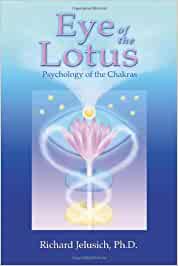
book: Eye of the Lotus

This fundamental shift is at the heart of the pioneering work of Dr. Richard A. Jelusich Integrative Chakra Therapy® (ICT). An approach that moves beyond generic energy healing. ICT presents a revolutionary idea: the seven main chakras are not merely abstract energy centers, but distinct, functional centers of consciousness! Each governing specific aspects of our psychological and emotional being, offering a practical map for self-understanding. The aim is not to add spiritual tasks, but to help you resolve stress and imbalance at their core within your psyche.

The Inner Shift: From Reactivity to Conscious Awareness

Many are initially drawn to Integrative Chakra Therapy® seeking relief from anxiety or chronic stress, and they find it. However, the process is far more profound than simple relaxation. It is a transformative journey from unconscious reactivity to conscious, compassionate awareness.

For example, when your root chakra—the center of safety—holds fear, it can trigger constant anxiety and keep your body in a “fight-or-flight” state. An ICT session brings gentle, conscious attention to this fear, helping release deep wounds and allowing your nervous system to shift from survival to a sense of grounded security.

This initial shift creates the space for profound self-awareness. You might begin to see that your recurring throat chakra issues—such as frequent sore throats or a chronic difficulty in comprehending your truth—are not random occurrences. Instead, they are directly linked to a deeper pattern of stifled self-expression originating in your solar plexus chakra, the seat of your personal power.

What appears on the surface as a physical symptom is, in reality, a poignant conversation between your centers of awareness. Integrative Chakra Therapy® gives you the lexicon to decode this conversation, allowing you to heal the root emotional conflict rather than just repeatedly soothing the surface-level manifestation.

The Modern Medical Bridge: A Partner in Whole-Person Health

ICT’s true strength lies in its alignment with modern healthcare models like Integrative and Functional Medicine, making it a valuable, evidence-informed partner in whole-person care.

In Integrative Medicine, the goal is to blend the best of conventional treatments with validated complementary therapies. Here, Integrative Chakra Therapy® serves as a vital ally to address the profound psychological and emotional toll of illness. For a patient undergoing chemotherapy, work with the solar plexus chakra can be instrumental in restoring a sense of personal power and agency. Similarly, focusing on the heart chakra can help process the grief and fear of a new diagnosis, fostering essential self-compassion.

In Functional Medicine, the focus is laser-sharp: uncover and address the root causes of disease, with chronic stress being a primary culprit. Integrative Chakra Therapy® offers a precise map for this very investigation. A Functional Medicine practitioner might identify that a patient’s elevated cortisol levels and related digestive issues are fueled by deeper, perceived lack of safety and low self-worth. By using chakra work to address these core psychological drivers, ICT helps create a lasting shift in the autonomic nervous system. It becomes a strategic tool for actively rewiring the underlying stress patterns that disrupt hormonal balance, gut health, and immune function.

The Future is Whole-Person Care

We are collectively moving away from an outdated model that treats the physical body in isolation. The future of healing honors the full human experience—body, mind, spirit, and the conscious energy systems that connect them all.

Integrative Chakra Therapy®, as defined by Dr. Jelusich, is perfectly poised for this new era. It provides both a language and a method for exploring the inner dimensions of health. It empowers you to become a conscious architect of your own well-being, not by adding more tasks, but by illuminating the deep connections between your psychological patterns and your physical state. This process restores balance and fosters a deep, trusting connection to your own inner wisdom.

True healing, as ICT reveals, is not a sudden transformation but a gentle unfolding—a remembering of your innate harmony. In this remembering, well-being is no longer a goal to chase but a natural state of being to reclaim.

Blessings Deirdre 

Understanding Judgment and Discernment

Recently, I engaged in a conversation with fellow spiritual healers about the understanding of judgment and discernment. It was evident that these two words are often entangled, leading to confusion about their true meanings and implications. While both involve making evaluations or assessments, they invariably operate from different mindsets and intentions. Thus, it is important to understand the distinction between judgment and discernment to foster healthy relationships, promote understanding, and enhance personal growth.

Nature of Judgment

Judgment typically involves forming opinions or conclusions about situations, events, and people. A dictionary will tell you judgment is based on personal biases, preconceptions, and/or limited information. It often arises from a place of ego, fear, or insecurity, where individuals project their own beliefs, values, and expectations onto others without genuine understanding or empathy.

In essence, judgment tends to be rigid, categorical, and even closed-minded. It can lead to division, prejudice, and often conflict. This can consciously and often unconsciously set up barriers that hinder authentic connection and compassion. When we judge, we impose our subjective viewpoints onto reality, disregarding the complexity and diversity of human experiences.

Discernment is an Art

When we look at discernment, we are using skills that involve perceiving, analyzing, and understanding with clarity and wisdom. Unlike the nature of judgment, discernment is an art that operates from a place of openness, curiosity, and humility, allowing individuals to navigate through complexities and nuances without jumping to hasty conclusions.

To practice discernment, one is required to focus on mindfulness and self-awareness. This focus enables individuals to differentiate between facts and interpretations. Individuals become aware of ways to discern patterns and underlying motivations and recognize the broader context in which events unfold. Discernment encourages critical thinking and emotional intelligence, fostering deeper insights and meaningful connections with others.

How can we distinguish whether we are engaging in judgment or exercising discernment?

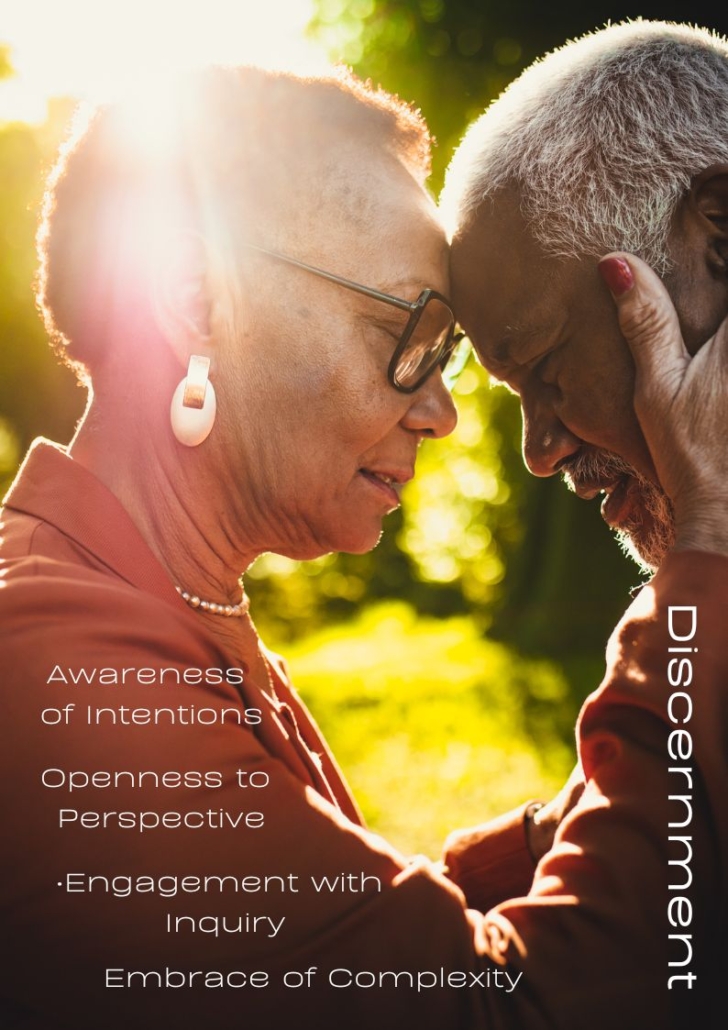
  • Awareness of Intentions: Judgment more often than not stems from a place of ego or insecurity. In judgment, we seek to validate one’s beliefs or assert dominance over others. In contrast, discernment arises from a place of humility and empathy, aiming to understand and navigate complexities with clarity and compassion.
  • Openness to Perspective: Judgment tends to be narrow-minded and dismissive of alternative viewpoints, while discernment embraces diversity and seeks to explore multiple perspectives without prejudice or bias.
  • Engagement with Inquiry: Judgment relies on assumptions and stereotypes, whereas discernment involves asking questions, seeking understanding, and being open to new information and insights.
  • Embrace of Complexity: Judgment oversimplifies and categorizes, whereas discernment acknowledges the multifaceted nature of reality, embracing ambiguity and paradoxes with humility and curiosity.

How can we cultivate discernment in everyday life?

  • Cultivate discernment in our interactions and decision-making processes with a practice of mindfulness and self-reflection. Learn to become aware of our thoughts, emotions, and biases recognizing we all are a work in progress.
  • Cultivate empathy and compassion by seeking to understand one another’s perspectives and experiences. Be the observer listening without judgment.
  • Look for ways to engage in critical thinking and inquiry, questioning assumptions and examining evidence before forming opinions.
  • Embrace uncertainty and complexity, recognizing that truth is often multifaceted and context dependent.

My final thoughts are while judgment and discernment both involve evaluation and assessment, they operate from fundamentally different mindsets and intentions. By cultivating discernment over judgment, we can foster deeper understanding, promote empathy and inclusivity, and navigate through life’s complexities with clarity and wisdom.

Choosing discernment over judgment allows us to support a deeper understanding of ourselves and of others, fostering empathy, inclusivity, and clarity in navigating life’s complexities. Discernment then becomes a guiding principle in both our personal and professional lives, shaping a culture of compassion, curiosity, and mutual respect within our communities.

In nurturing a culture of discernment, we create spaces where individuals feel valued, understood, and empowered to engage in meaningful dialogue and collaboration. This shift from judgment to discernment opens us to the richness and diversity of the human experience, facilitating deeper connections and collective spiritual growth.

Just for today, let us embark on this journey of discernment together, embracing life’s uncertainties with humility, curiosity, and compassion as our compass. Through this intentional choice, we pave the way for profound personal and professional transformation, fostering a world of understanding and connection.

Blessings Deirdre 

Dispelling the Myths Surrounding Solitude and Isolation

Let’s discuss the exploration of intentional solitude, its benefits, and the practical steps individuals can take to incorporate it into their lives for holistic well-being.

Intentional solitude is a deliberate choice to step away from the constant noise and demands of the external world. It is not an escape but rather a conscious effort to create a sacred space for self-reflection, personal growth, and the rediscovery of one’s inner self. In this era marked by incessant connectivity, intentional solitude becomes a valuable tool to navigate the complexities of daily life.

To fully appreciate the significance of intentional solitude, it’s crucial to recognize its distinction from isolation. While isolation implies being cut off from others due to external circumstances or internal struggles, intentional solitude is an initiative-taking decision to embrace aloneness as a transformative journey. It is about turning inward to listen to one’s own needs, aspirations, and fears without the interference of external influences.

Incorporating intentional solitude into one’s life involves a variety of practices that cater to the holistic well-being of the mind, body, and spirit. Mindfulness practices, such as yoga and meditation, offer effective ways to cultivate inner peace and awareness. These practices enable individuals to be present in the moment, fostering a deeper connection with themselves and their surroundings.

Engaging with nature is another powerful aspect of intentional solitude. Activities like hiking and swimming provide opportunities to immerse oneself in the natural world, promoting a sense of unity with the environment. Nature has a profound ability to heal and rejuvenate, making it a vital component of intentional solitude.

Your use of Reiki, Integrative Chakra Therapy, and Hypnotherapy as intentional practices further exemplifies the diverse approaches one can take on this transformative journey. These holistic therapies offer not only relaxation but also serve as tools for self-empowerment, helping individuals break free from the noise of external influences and reconnect with their inner selves.

By recognizing the signs of true isolation versus solitude, individuals can make informed choices that align with their well-being. Actively choosing connection, whether through social interactions, meaningful relationships, or engaging in activities that bring joy, adds another layer to the intentional solitude narrative. This integrated approach fosters a balance between solitude and connection, empowering individuals to navigate life’s challenges with resilience and self-awareness.

In the end, intentional solitude is a profound and purposeful journey inward, offering transformative benefits for mental, emotional, and spiritual well-being. Through mindfulness practices, nature engagement, and holistic therapies, individuals can embark on a holistic journey, breaking free from the chains of isolation and forging a path toward meaningful connections and profound self-awareness.

Blessings: Deirdre

Bringing About the Shift

Ever wondered “How can I just get through this day?”
“Why do I always feel so energetically stuck?”
“What is it that I need to change?”

Everyone has within them the ability to heal and the ability to “shift” their current (non-fulfilling) belief patterns into something positive and self-empowering.

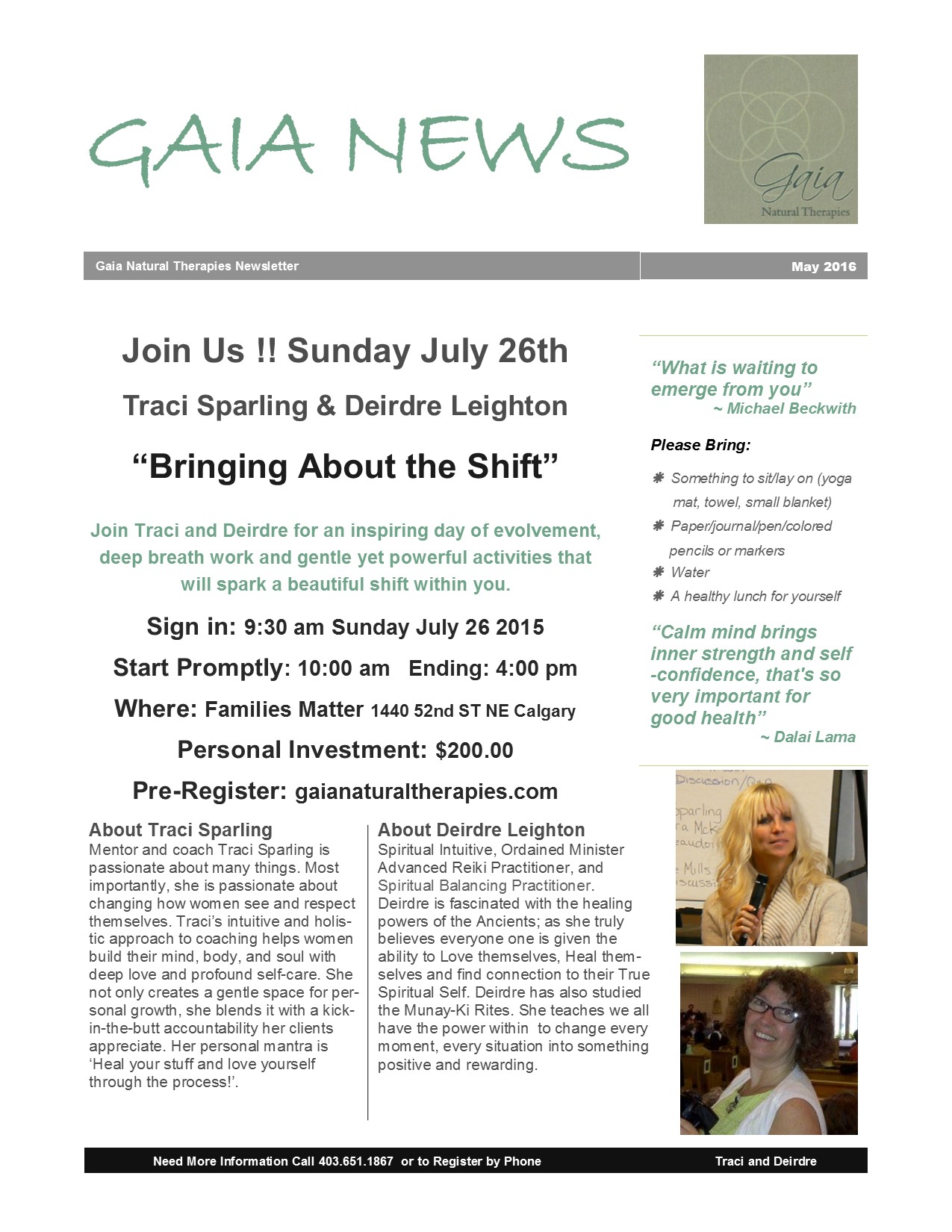
Traci Sparling and Deirdre Leighton have teamed together to help participants find inner peace and self-love July 2015 Bringing About the Shiftthrough the use of self-empowering tools and techniques to bring about harmony and balance. Traci and Deirdre will lead individuals gently pushing them through the “non-fulfilling” belief patterns to find out who they truly are and that they represent beautiful luminous beings of Light and Love.

This fun filled workshop is about using our own personal gifts as tools to promote a positive transformation “Bringing About the Shift” of who we think we are to who we really are.  The day is filled with gentle thought provoking activities and breath work to assist and to bring forth the beauty of positive inner change. Each participant will be given the tools on how to allow and how to support personal spiritual growth to learn:
– that you are worthy of love
– that you have the inner power of self-love
– that you have an amazing voice to share
– that loving yourself allows you to love others
– and as you develop the gifts that you already have you will find self-empowerment

Come Join Us for the day, as we lead you through morning of Quantum Light Breath Meditation and an afternoon of studying your Wheel of Life. The day will close with group discussions, sharing and processing.

Heart Stones“What is waiting to emerge from you” ~ Michael Beckwith

“Calm mind brings inner strength and self-confindence, that’s so very important for good health” ~ Dalai Lama

Register Today for this full day workshop!